The Biblical Perspective of Predestination and Free Will
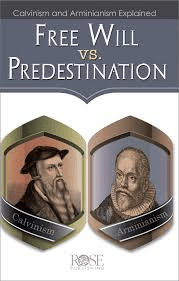
The interplay between predestination and free will has been a subject of theological debate for centuries. Rooted in the Bible, this tension seeks to reconcile God’s sovereign control with human responsibility. The Scripture provides a robust framework for understanding these concepts, emphasizing God’s divine plan and humanity’s role within it.
Predestination: God’s Sovereign Choice
Predestination refers to the doctrine that God, in His omniscience and sovereignty, has determined certain events and outcomes before they occur. This includes the salvation of individuals. The apostle Paul writes in Ephesians 1:4-5, “For He chose us in Him before the creation of the world to be holy and blameless in His sight. In love, He predestined us for adoption to sonship through Jesus Christ, in accordance with His pleasure and will.” This passage highlights God’s foreordained plan for His people.
Romans 8:29-30 further elaborates on this idea: “For those God foreknew He also predestined to be conformed to the image of His Son, that He might be the firstborn among many brothers and sisters. And those He predestined, He also called; those He called, He also justified; those He justified, He also glorified.” These verses affirm that God’s plan for salvation is comprehensive and purposeful.
From a Biblical perspective, predestination underscores God’s initiative in salvation. It affirms that salvation is not based on human merit but on God’s grace and eternal purpose (2 Timothy 1:9). God’s foreknowledge does not merely imply that He knows future events but that He actively ordains them.
Free Will: Human Responsibility
While predestination emphasizes God’s sovereignty, the Bible also teaches that humans have free will and are responsible for their choices. In Deuteronomy 30:19, Moses appeals to Israel, saying, “This day I call the heavens and the earth as witnesses against you that I have set before you life and death, blessings and curses. Now choose life, so that you and your children may live.” This verse reflects the reality of human choice and accountability.
Jesus frequently called individuals to make decisions. In Matthew 11:28, He invites, “Come to me, all you who are weary and burdened, and I will give you rest.” This invitation implies that individuals can respond to God’s call. Likewise, Revelation 3:20 portrays Jesus standing at the door and knocking, waiting for individuals to open the door and invite Him in.
Human free will is also evident in the moral responsibility given to humanity. Romans 14:12 declares, “So then, each of us will give an account of ourselves to God.” This accountability implies that human actions and decisions carry significant weight.
Reconciling Predestination and Free Will
The coexistence of predestination and free will is a mystery that reflects the infinite nature of God. While these concepts may seem contradictory, the Bible affirms both without offering a full explanation of their relationship. This tension calls for humility in our understanding of God’s ways, as Isaiah 55:8-9 reminds us: “‘For my thoughts are not your thoughts, neither are your ways my ways,’ declares the Lord. ‘As the heavens are higher than the earth, so are my ways higher than your ways and my thoughts than your thoughts.’”
One approach to reconciling these doctrines is to understand that God’s sovereignty and human responsibility operate on different levels. From God’s perspective, He ordains all things according to His will. From the human perspective, individuals make real choices that have consequences. Acts 2:23 illustrates this dual reality: “This man [Jesus] was handed over to you by God’s deliberate plan and foreknowledge; and you, with the help of wicked men, put Him to death by nailing Him to the cross.” God’s plan included the crucifixion, yet human agents acted freely in carrying it out.
Practical Implications
Understanding predestination and free will has profound implications for faith and practice:
- Trust in God’s Sovereignty: Believers can find comfort in knowing that God’s plans are perfect and unchangeable. His predestined purposes will prevail, providing assurance in uncertain times (Romans 8:28).
- Call to Action: The reality of free will calls believers to actively respond to God’s grace. The Bible’s invitations to repent, believe, and obey demonstrate that human choices matter in God’s redemptive plan.
- Humility in Theology: The mystery surrounding predestination and free will reminds believers to approach theology with humility. Finite human minds cannot fully comprehend the infinite nature of God.
- Evangelism: The doctrine of predestination should not discourage evangelism but fuel it. Knowing that God has chosen people to be saved motivates believers to share the gospel, trusting that God will work through their efforts (2 Timothy 2:10).
Conclusion
The Bible presents predestination and free will as complementary truths within God’s redemptive plan. Predestination magnifies God’s sovereignty, while free will emphasizes human responsibility. Together, they reflect the depth and mystery of God’s wisdom. As believers, we are called to trust in God’s perfect plan, embrace our responsibility to make godly choices and rest in the assurance that He works all things for His glory and our good.
John Mammen, M.A., M.B.A., Ed.D
 John Mammen, johnpm29@yahoo.com